(786) 321-8089 Call for a Free Estimate Free Estimate

Asphalt Resurfacing and Overlays in Miami

Resurfacing gives a worn parking lot a new surface without rebuilding it. The top layer is milled off, the base stays in place, and a fresh course of hot mix asphalt goes down over it. For a lot with surface cracking, fading and a rough ride but a sound base, it delivers most of the benefit of new construction for a fraction of the cost and closure time.

The catch is the base. An overlay placed on a failed base fails with it. This page explains when resurfacing is the right move, how milling and overlay actually work, the test for whether your base will carry a new surface, and how to keep tenants and customers moving while the work runs.

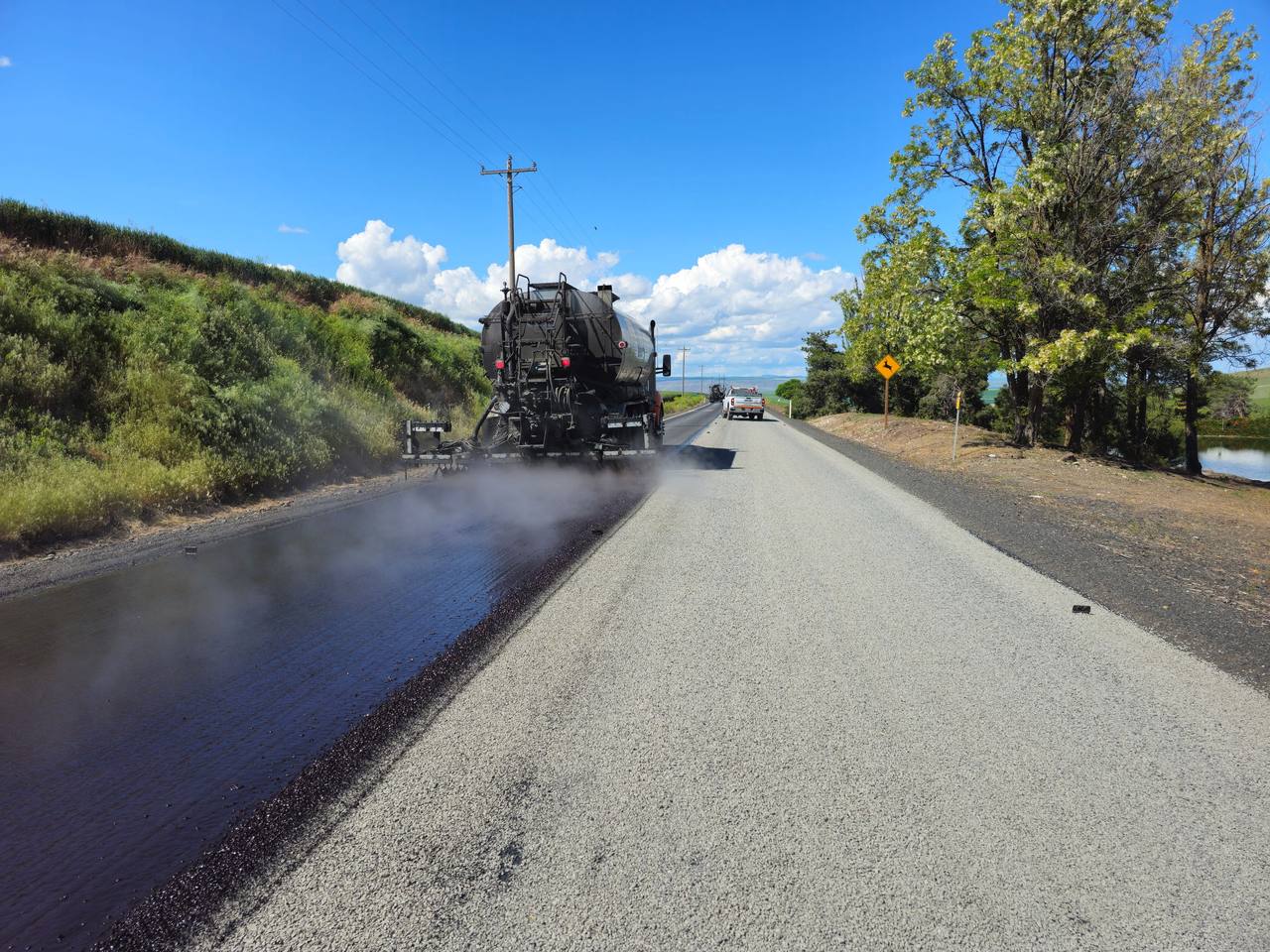
A new layer of asphalt being placed over a worn pavement surface

📞 Call (786) 321-8089 Request a Free Estimate

When an Overlay Makes Sense

An overlay makes sense when the problems are in the surface, not underneath it. Cracks that stay on the surface, oxidation that has turned the asphalt gray and rough, raveling where the surface sheds loose stone, and worn areas at entrances and drive aisles are all surface problems. Milling removes them and the overlay replaces them with a dense new mat.

The lots that resurface best share four traits: the pavement drains, it does not move under a loaded truck, patches from past repairs have held, and the cracking is not the connected alligator pattern that signals a soft base. Lots built with a proper limerock base 10 to 20 years ago often fit that description even when the surface looks tired.

Three situations where resurfacing is usually the right call

When the damage is structural, an overlay is money spent twice. The section on full replacement below and the asphalt paving page cover that path. Repairs alone, without resurfacing, are the answer for a lot with a handful of isolated problems; see parking lot repair.

📞 Call (786) 321-8089 for a Free Site Estimate
Milling and Overlay Explained

Milling is the removal of the top layer of asphalt with a machine that grinds it off to a set depth, commonly 1 to 2 inches on a parking lot. The ground-up material is hauled away and recycled. Overlay is the placement of a new layer of hot mix asphalt, commonly 1.5 to 2 inches, on the milled surface after a tack coat bonds the two.

Milling matters for three reasons. It removes the damaged material instead of burying it, it keeps the finished surface at the right height against curbs, drains and door thresholds, and it leaves a rough texture the new asphalt bonds to. An overlay placed without milling raises the lot, buries the curb reveal, and traps water at the edges.

Full milling, edge milling and overlay only

Grades matter more than they look. Accessible parking spaces and access aisles have slope limits, and an overlay that ignores them can put a compliant space out of compliance. Milling to plan keeps the finished slopes where the layout needs them; the ADA compliance page covers the rules that apply.

Signs Your Lot Needs Full Replacement Instead

The base decides between resurfacing and replacement, and you can read most of the evidence from the surface. Run through this test on your lot before you request bids, so you know whether an overlay quote is even the right kind of quote.

The base-condition test

  1. Look for alligator cracking. Small connected cracks in a pattern like reptile skin mean the base under that area has failed. A few spots can be cut out and patched full depth before an overlay. Alligator cracking across large areas means replacement.
  2. Check for rutting and depressions. Wheel-path ruts in truck lanes and dips at dock approaches show the base is compressing. An overlay smooths them for a season and then they return.
  3. Probe the old patches. Patches that have cracked, sunk or crumbled again point to a soft base under them. Patches that have held for years point to a sound base.
  4. Watch the water. Puddles that sit in the same places a day after a storm mark low spots in the base, not just the surface. Regrading a surface over a settled base does not last.
  5. Watch a loaded truck. Stand beside the pavement as a delivery truck rolls over the suspect area. Visible flexing or pumping of water from cracks means the base is saturated.
  6. Core it if the evidence is mixed. When the signs point both ways, a core sample or a small test pit shows the asphalt thickness and the base condition directly. Your contractor will confirm the base condition before recommending a scope.

In most cases the honest answer is mixed. The dock approach and the dumpster route have failed and need full-depth reconstruction, while the customer parking is sound and takes an overlay. The written estimate separates the two by area rather than pricing one approach for the whole lot.

How Resurfacing Works

A mill and overlay project runs in 7 steps. Most commercial lots are done by section, with each section milled and overlaid inside a planned window so the property keeps operating.

1

Assessment and base check

We walk the lot, map the surface damage, run the base-condition test above and note the curbs, drains, entrances and accessible spaces whose grades the new surface has to meet. Any areas that need full-depth repair before the overlay are marked.

2

Scope and phasing plan

The written scope states the milling depth, the overlay thickness, the areas getting full-depth repair, the drainage adjustments, the striping layout and a phase-by-phase schedule with the hours each phase runs.

3

Full-depth repairs first

Failed areas are cut out, their base is rebuilt and compacted, and fresh asphalt brings them back to grade. Doing this before milling means the overlay goes over sound pavement everywhere.

4

Milling

The section is milled to the planned depth with attention to the edges along curbs, catch basins and thresholds. Millings are hauled off and the surface is swept clean.

5

Structure adjustments and tack coat

Catch basin frames and manhole covers are adjusted so they finish flush with the new surface. A tack coat is sprayed so the overlay bonds to the milled asphalt instead of sliding on it.

6

Overlay placement

Hot mix asphalt is placed with a paver and compacted with rollers while it is hot. Joints between sections are planned to fall along stall lines, and transitions at entrances are feathered so there is no lip.

7

Cure, striping and walkthrough

Traffic stays off until the mat has cooled. Striping goes on once the surface is ready, following the approved layout, and we walk the finished sections with you and confirm drainage.

Minimizing Downtime for Your Property

Resurfacing is the paving job that is easiest to run around an open business, because each section can be milled and overlaid inside a short window. The plan below is how a retail plaza, office park or industrial site keeps operating while its lot is resurfaced.

Timing around the seasons

Resurfacing runs year-round in South Florida, with the drier months from roughly November through April offering the most predictable windows. During the summer storm season the schedule carries a weather buffer, milling and paving start early in the day, and no asphalt is placed on a wet surface. Hurricane season, June 1 to November 30, is planned around the same way, with an eye on the forecast a week out.

Resurfacing Cost Factors

Resurfacing is priced from the site assessment, and no two lots land in the same place because the items below vary so much. The estimate shows each one as its own line so you can see what drives your number.

Because an overlay and a full replacement differ so much in price, ask for both when the base test is mixed. The overlay vs replacement guide walks through how the two compare on cost and downtime in words.

Questions to Ask Before You Hire

Resurfacing bids are easy to compare badly, because the cheapest one is often an overlay with no milling and no base repairs. Ask these before you sign.

  1. Are you milling, and to what depth? An overlay with no milling on a curbed lot is a grade problem waiting to happen.
  2. How did you check the base, and which areas need full-depth repair first? The answer should name the areas and show them on the plan.
  3. What overlay thickness are you quoting, and does it change in the truck lanes? One thickness for the whole lot ignores where the load is.
  4. How will you handle catch basins, manholes and curb reveal? Structures that end up below the new surface become standing-water spots.
  5. Will the finished slopes at the accessible spaces stay within the limits? If the answer is a blank look, the layout was not checked.
  6. How will the sections be sequenced, and which ones run at night? Ask for the sequence in writing, with the entrance, the fire lane and the accessible route open in every phase.
  7. What is your rain rule? No milling or paving on a wet surface, with a weather buffer in the schedule.
  8. Is striping included, and when does it go on? Some bids stop at the asphalt.

Resurfacing FAQ

Get a Free Resurfacing Estimate

Tell us the approximate size of the lot, how old the pavement is and what you are seeing on the surface. The assessment runs the base-condition test, marks any areas that need full-depth repair, and the written estimate separates overlay from reconstruction so you can decide by area.

Related services: Asphalt Paving, Parking Lot Repair. Service areas: Broward County, Fort Lauderdale. Guide: Overlay vs replacement for parking lots.

📞 Call (786) 321-8089

📞 Call (786) 321-8089 for a Free Estimate